Neuroscience, cognition and behavior
Psychology PhD training area
Uncover the "why" in human and animal behavior by exploring neural mechanisms and mental processes in ASU's doctoral program in psychology with a focus on neuroscience, cognition and behavior.
Specialization description
Degree awarded: Psychology, PhD
Neuroscience, cognition and behavior is one of five training areas offered through ASU's PhD program in psychology. Students receive interdisciplinary training in the study of brain function, mental processes and behavior across humans and other animals. Working closely with faculty mentors, they investigate the neural, cognitive, affective and social mechanisms that shape how organisms perceive, learn, decide, adapt and interact with the world.
Research spans basic and translational science and may include topics like:
- Addiction and drug abuse
- Aging across the lifespan in health and cognition
- Behavior of dogs and their wild relatives
- Decision making and dynamics
- Health, cognitive and neurobiological consequences of chronic stress
- Hormonal influences on behavior
- Memory, perception and action
- Multilingual experiences and word learning
- Negative emotional states
- Menopause variants' impact on neurobiology and cognition
- Neural circuits and mechanisms that predict complex behaviors
- Sex differences in behavior
The Department of Psychology fosters a collaborative learning environment. Students specializing in neuroscience, cognition and behavior complete core curriculum unique to this area of study while interacting with faculty and students across all areas of psychology.
Important dates
- September 1: Fall 2027 application opens.
- December 5: Fall 2027 application deadline.
Students must submit ASU’s graduate application and the Department of Psychology’s Slideroom application to be considered for admission.
Faculty and research labs
Experience world-class academics taught by renowned professors who are leaders in the field of neuroscience, cognition and behavior.

Dr. Eric Amazeen
DPAC: Dynamics of Perception, Action and Cognition Lab
The DPAC Lab adopts a dynamical approach to understanding perception, action, and cognition. Using principles of complex systems and ecological psychology, the lab studies team and motor coordination; physiological processes such as EMG; physical and cognitive exploration; and perception by touch.

Dr. Gi-Yeul Bae
Visual Cognition Neuroscience Lab
The Visual Cognitive Neuroscience Lab explores how we maintain stable visual perception amid noisy sensory input. Their research spans visual attention, working memory and decision-making, using psychophysics, EEG and computational modeling.

Dr. Viridiana Benitez
Learning and Development Lab
The Learning and Development lab focuses on understanding how cognition and experience shape word learning across development. Using behavioral experiments and observational methods, they work with infants, children and adults from monolingual and bilingual backgrounds. They aim to identify the factors that promote learning for children growing up in diverse language environments.
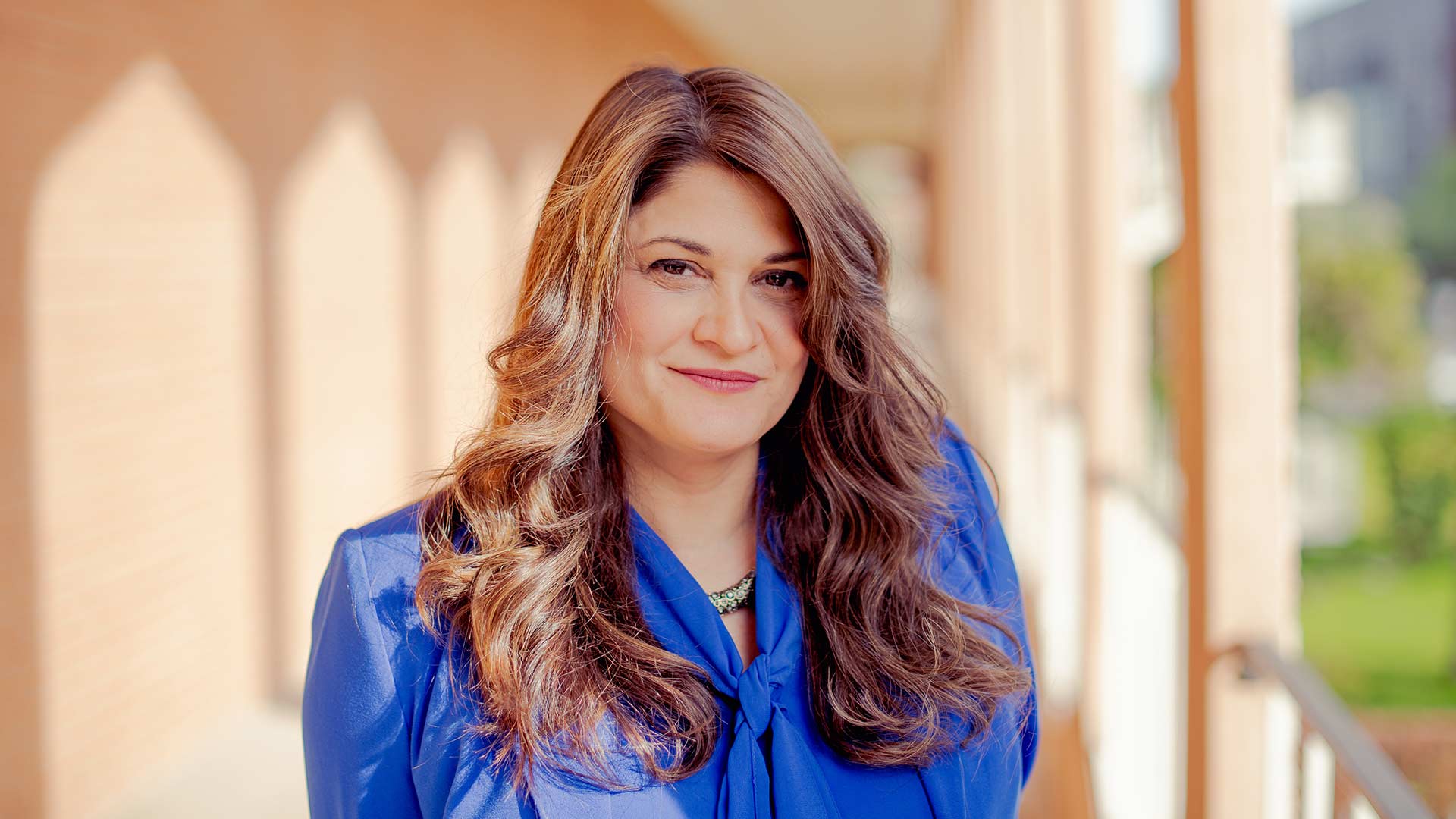
Dr. Heather Bimonte-Nelson
Behavioral Neuroscience of Menopause, Memory and Aging Lab
The Behavioral Neuroscience of Menopause, Memory and Aging Lab characterizes hormone- and age- related cognitive, behavioral, and brain changes. Research addresses the impacts of transitional and surgical menopause variations, endogenous and exogenous sex hormone exposures across the lifetime, and how these factors intersect to impact lifetime trajectories in females.
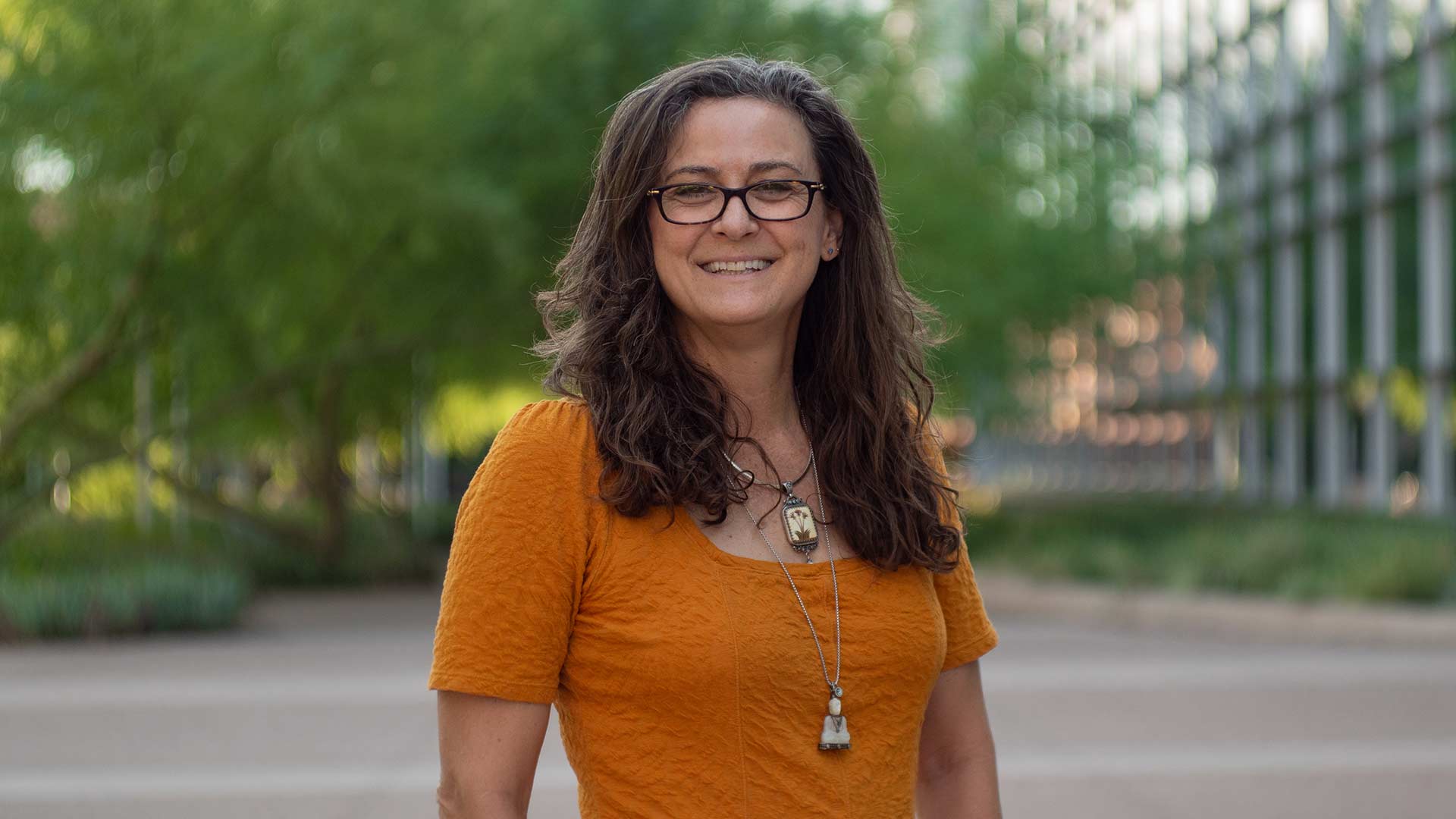
Dr. Cheryl Conrad
Behavioral Neuroscience Research in Stress Lab
How does stress influence brain plasticity and resilience? The Behavioral Neuroscience Research in Stress Lab use a chronic stress model to reveal physiological and behavioral symptoms akin to depression. Their breakthroughs are instrumental in promoting overall well-being and survival.
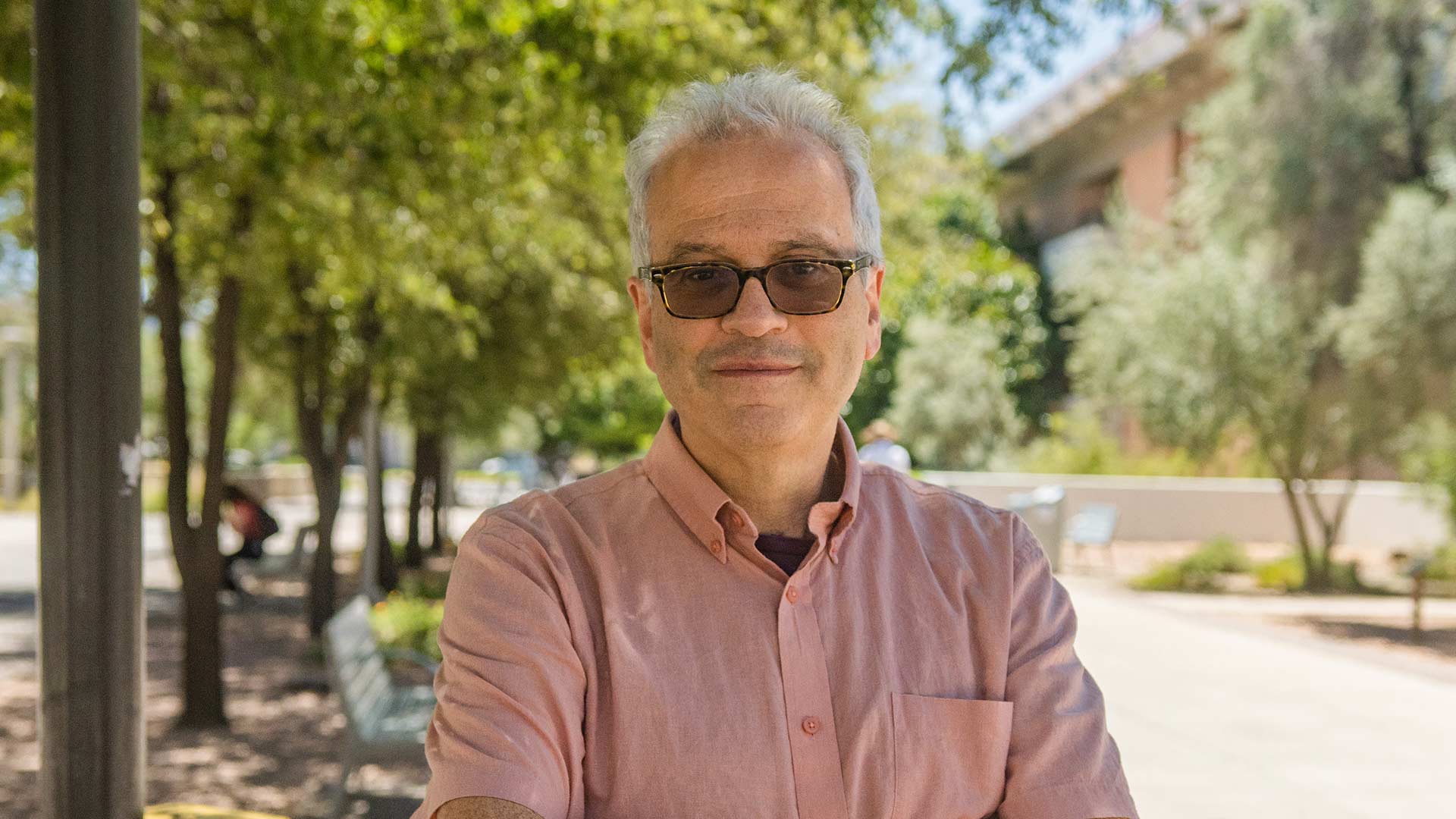
Dr. Jonathan Gewirtz
Laboratory in Affective Neuroscience and Epigenetics
The Laboratory in Affective Neuroscience and Epigenetics uses rodent behavioral models, molecular and pharmacological tools, and multi-omic epigenomic sequencing to study mechanisms underlying vulnerability to drug addiction and other forms of mental illness, and their persistence over time.

Dr. Michael McBeath
PEARL: Perception, Ecological-Action, Robotics and Learning Lab
The PEARL Lab explores perception-action and biases in natural environments including sports, music, scene processing and language-emotion.

Dr. Samuel McClure
Decision Neuroscience Lab
The Decision Neuroscience Lab studies how the brain makes decisions about rewards. Using fMRI and EEG, the lab relate findings to computational models of brain function and investigates how brain systems interact during decision involving self-control and competitive social interactions.

Dr. Danielle McNamara
SoLET: Science of Learning and Educational Technology Lab
The SoLET Lab improves education by studying factors in comprehension and learning for K-12 students, adults, and second language learners. They integrate psychology, linguistics, and computer science to develop game-based tutoring systems and natural language processing tools.

Dr. Foster Olive
Addiction Neuroscience Lab
Exploring the enduring impact of drug abuse on the brain, the Addiction Neuroscience Lab employs preclinical methods to identify, mitigate, or reverse related alterations. They investigate the roles of neurochemical and neuroinflammatory processes in understanding dependence, addiction, and associated changes.
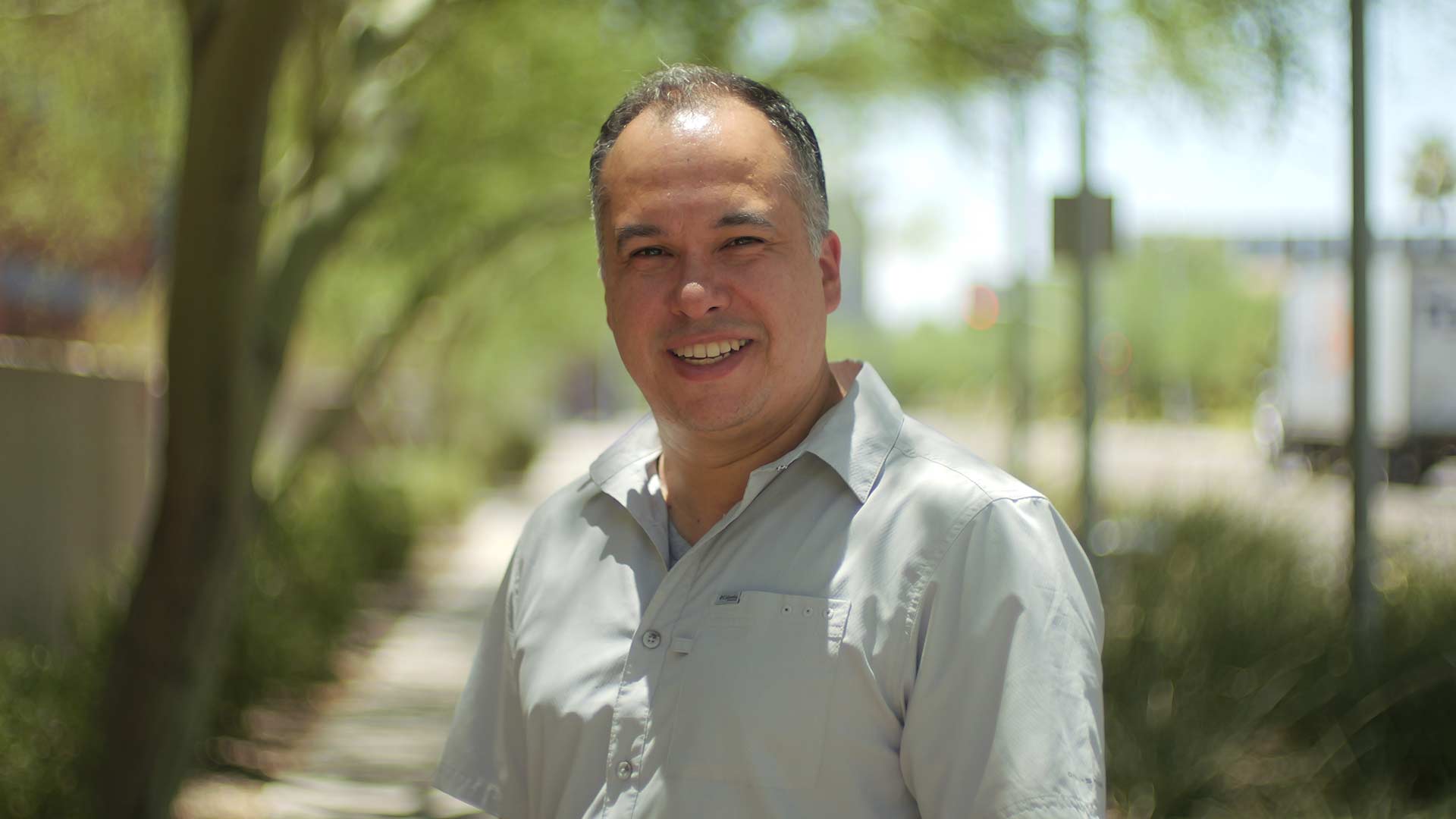
Dr. Federico Sanabria
Basic Behavioral Processes Lab
Investigates the fundamental building blocks of behavior and cognition common to many species, including learning, interval timing, choice, and regulation. They develop quantitative models of these processes through novel behavioral paradigms implemented in animal models.
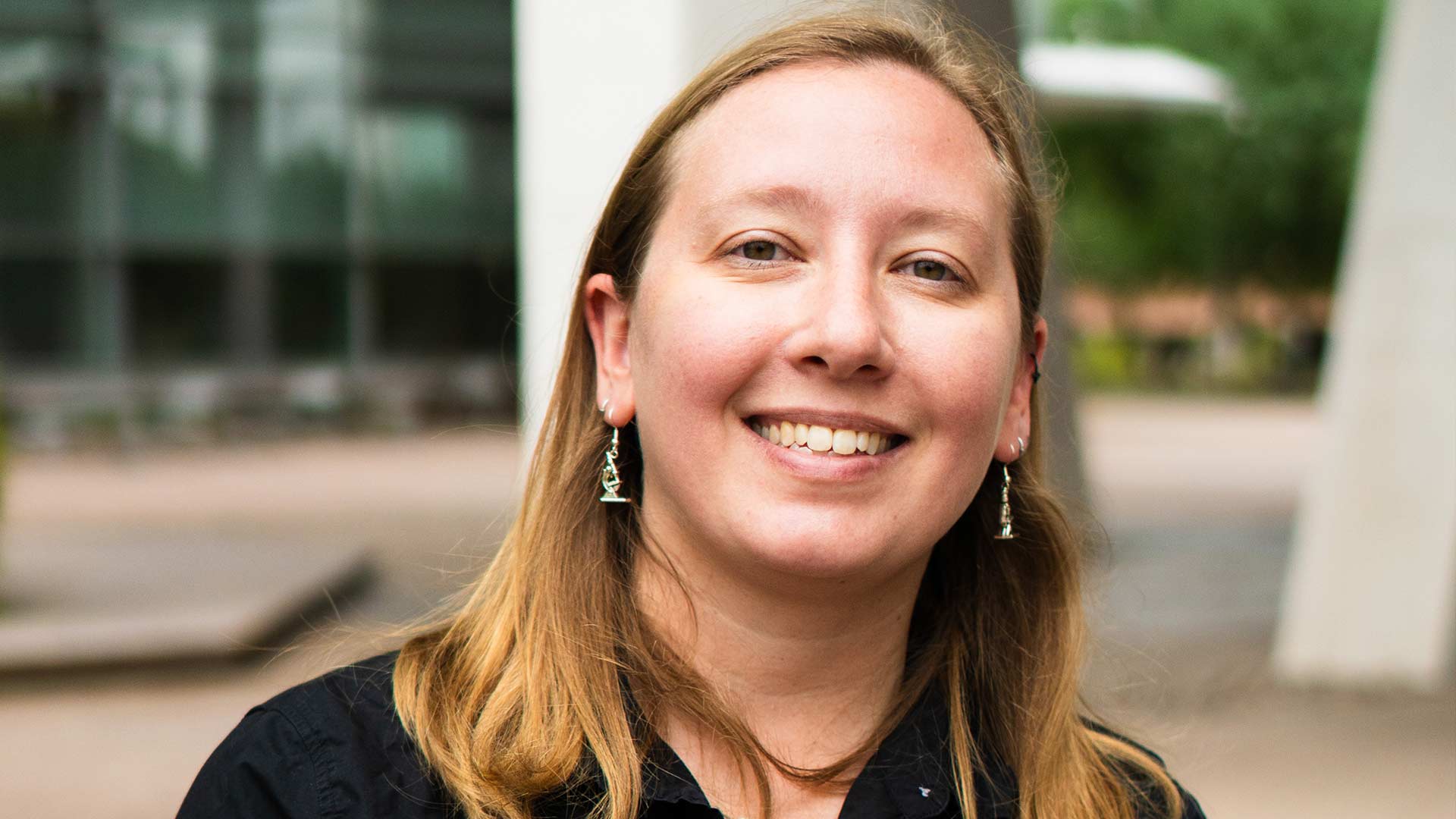
Dr. Jessica Verpeut
The SOCIAL Neurobiology Lab: Study of Circuits in Adolescent Life
Exploring neural activity, molecular mechanisms, and complex cognitive and social behavior in preclinical animal models, the SOCIAL Neurobiology Lab aims to identify novel therapeutic targets. Their research focuses on sensitive development periods, gene-environment interactions, and neuromodulators in cerebellar pathways.
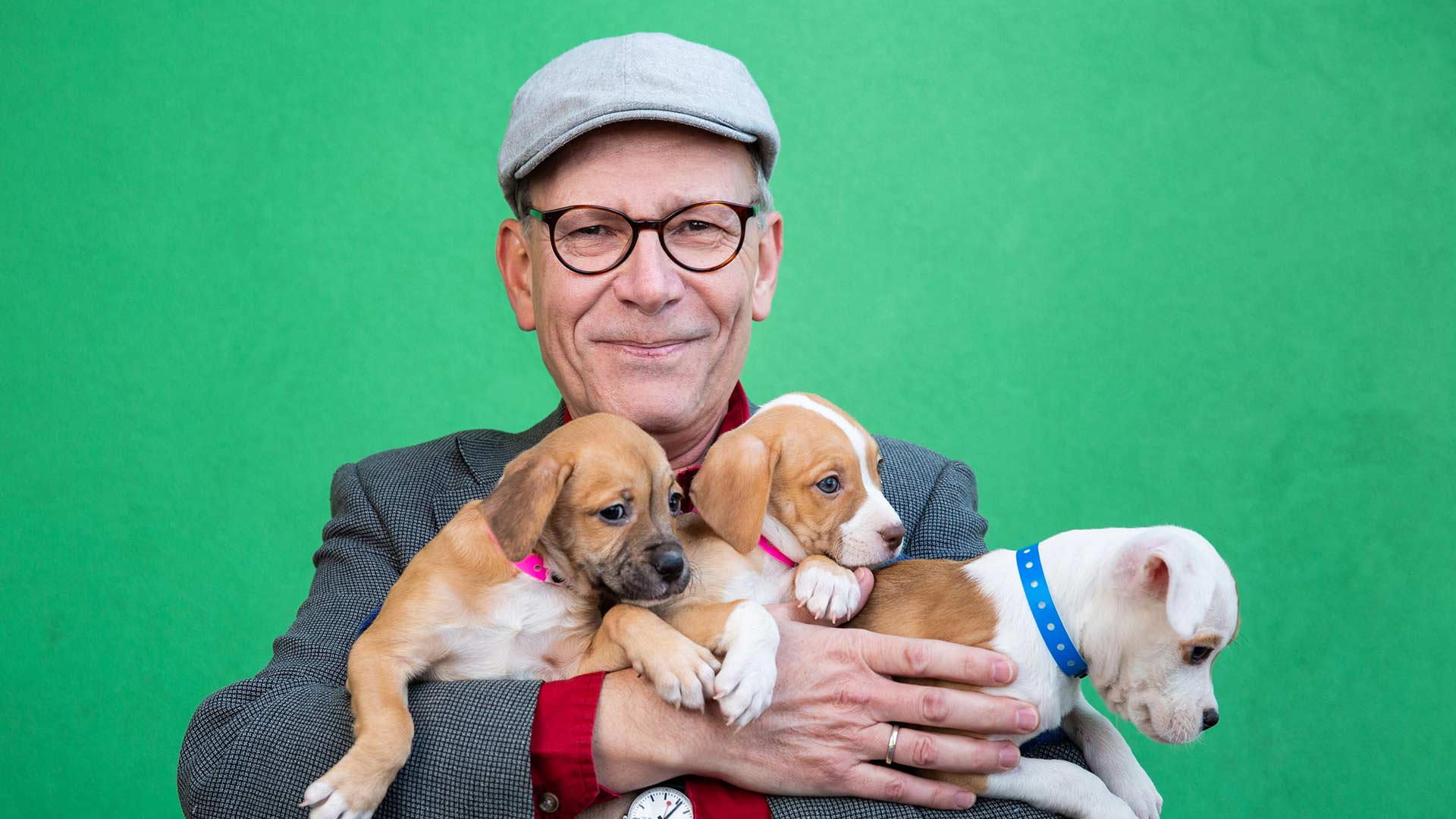
Dr. Clive Wynne
Canine Science Collaboratory
The Canine Science Collaboratory helps people and dogs live their best lives together. Current research focuses on identifying best practices in dog training, understanding human interpretation of dogs' emotional expressions, and investigating the impact of temporary fostering in animal shelters.
Courses and electives
Core courses. Students choose three 500-level courses in neuroscience, cognition and behavior along with various topical seminars available during their program. These courses align with the interests of current faculty and students.
Skill courses. Two required courses that integrate quantitative methodologies into students' work.
Elective breadth courses. Students complete a required course in cognitive processes while building expertise through elective coursework tailored to their research interests. Working with a faculty mentor, students select courses that provide broader perspectives across neuroscience, cognition and behavior. Areas of study may include:
- Biochemistry
- Clinical neuroscience
- Mathematical psychology
- Cell biology
- ... and more!
Research activities. Milestone courses, involving independent study and regular meetings with a faculty member to discuss assignments and conduct research.
Dissertation. Supervised research including literature review, research, data collection and analysis, and writing.
Graduate students in the neuroscience, cognition and behavior training area complete 84 credit hours. Coursework is tailored to each student's background, research interests and career goals through close collaboration with a faculty mentor. This research-focused program follows an apprenticeship model, includes weekly seminars and offers the opportunity to earn a master's degree en route to the PhD. Students actively participate in professional research activities, including conference presentations, peer-reviewed publications and grant preparation.

The neuroscience, cognition and behavior specialization is committed to training the next generation of scientific innovators, researchers and leaders.
Faculty members serve not only as educators but also as mentors, guiding students toward impactful research and fulfilling careers in academia, industry, technology, healthcare, nonprofit organizations and other research-intensive fields.
Get in touch
- For questions about the specialization, email the neuroscience, cognition and behavior area head, Dr. Federico Sanabria, directly at [email protected].